Shopping
How Establishing a Fixed Annual Budget for Tool and Equipment Categories Before Any Single Item Goes on Sale Prevents Discount Events From Distorting Your Actual Priorities
Setting fixed annual budgets for tool and equipment categories before any sale begins ensures that discount events inform your spending instead of directing it. Without a pre-set framework, every promotional event becomes a decision trigger rather than a useful opportunity.
By Jennifer Walsh | Nov 06, 2026
Why Visiting a Local Independent Kitchen Supply Shop Reveals a Different Kind of Product Knowledge That Changes What You Actually Buy
An independent kitchen supply shop offers something a major retailer rarely can: product knowledge built from actual use, not marketing copy. One informed conversation there often changes both what you buy and how long it lasts.
By Robert Kim | Nov 02, 2026
How Building a Category-Specific Quality Baseline Before Entering Any Sale Event Stops Discounts From Driving Purchases That Were Never Actually Needed
Discounts have a way of creating the illusion of need. Building a category-specific quality baseline before any sale event keeps your standards — not the price tag — in control of what ends up in your cart.
By Emily Rodriguez | Oct 29, 2026
Why Calculating the Hidden Ownership Costs of Furniture Before Purchase Reveals Which Price Points Actually Deliver Value Over a Five-Year Horizon
The sticker price on furniture rarely reflects what a piece actually costs to own over five years. Factoring in delivery, maintenance, repair likelihood, and resale value reveals which price points truly deliver.
By Jennifer Walsh | Oct 26, 2026

How Stress-Testing a Product Against Three Specific Personal Failure Scenarios Before Checkout Prevents the Regret That Mid-Range Purchases Quietly Accumulate
Mid-range purchases quietly accumulate regret when buyers skip the one check that actually matters: stress-testing a product against their own past failure patterns before checkout.
By Robert Kim | Oct 22, 2026

Why Identifying Your Actual Failure Points in Past Purchases Before Shopping a New Product Category Prevents You From Repeating the Same Expensive Mistake in a Different Brand
Switching brands after a bad purchase rarely fixes the problem if the root cause was the decision process, not the product. Learning to identify your actual failure patterns before shopping a new category is the more reliable fix.
By Robert Kim | Oct 19, 2026

How Building a Seasonal Clothing Audit Ritual Before Any New Purchase Reveals the Actual Gaps in Your Wardrobe Versus the Ones Marketing Creates for You
A seasonal clothing audit run before any new purchase separates the real gaps in your wardrobe from the ones retail marketing has manufactured for you. Here's how to build that ritual and what it reveals.
By Marcus Chen | Oct 16, 2026

Why Tracking Which Local Independent Service Providers Offer Loyalty Pricing or Returning-Customer Benefits Changes Where Your Household Budget Actually Goes Over a Year
Many independent local service providers quietly reward returning customers with pricing stability, waived fees, or scheduling priority — benefits that add up meaningfully across a full year of household spending.
By Sarah Mitchell | Oct 13, 2026

How Separating Your Household Shopping Into Tier-One Essentials and Tier-Two Upgrades Before Entering Any Store Reduces Unplanned Spending by Removing In-Aisle Decision Making
Separating your shopping list into tier-one essentials and tier-two upgrades before entering any store removes in-aisle decision-making — the primary driver of unplanned household spending. This practical two-tier method helps you shop with clarity, stay within budget, and stop letting store environments make your financial decisions for you.
By Jennifer Walsh | Oct 10, 2026

Why Auditing the Material and Construction Details on Mid-Range Clothing Before Purchase Prevents the Repeat Buying Cycle That Quietly Doubles Your Annual Apparel Spend
Mid-range clothing often costs enough to feel like a smart buy but wears out fast enough to quietly double your apparel spend. Learning to audit fabric content and construction details before purchase breaks the replacement cycle for good.
By Jennifer Walsh | Oct 07, 2026
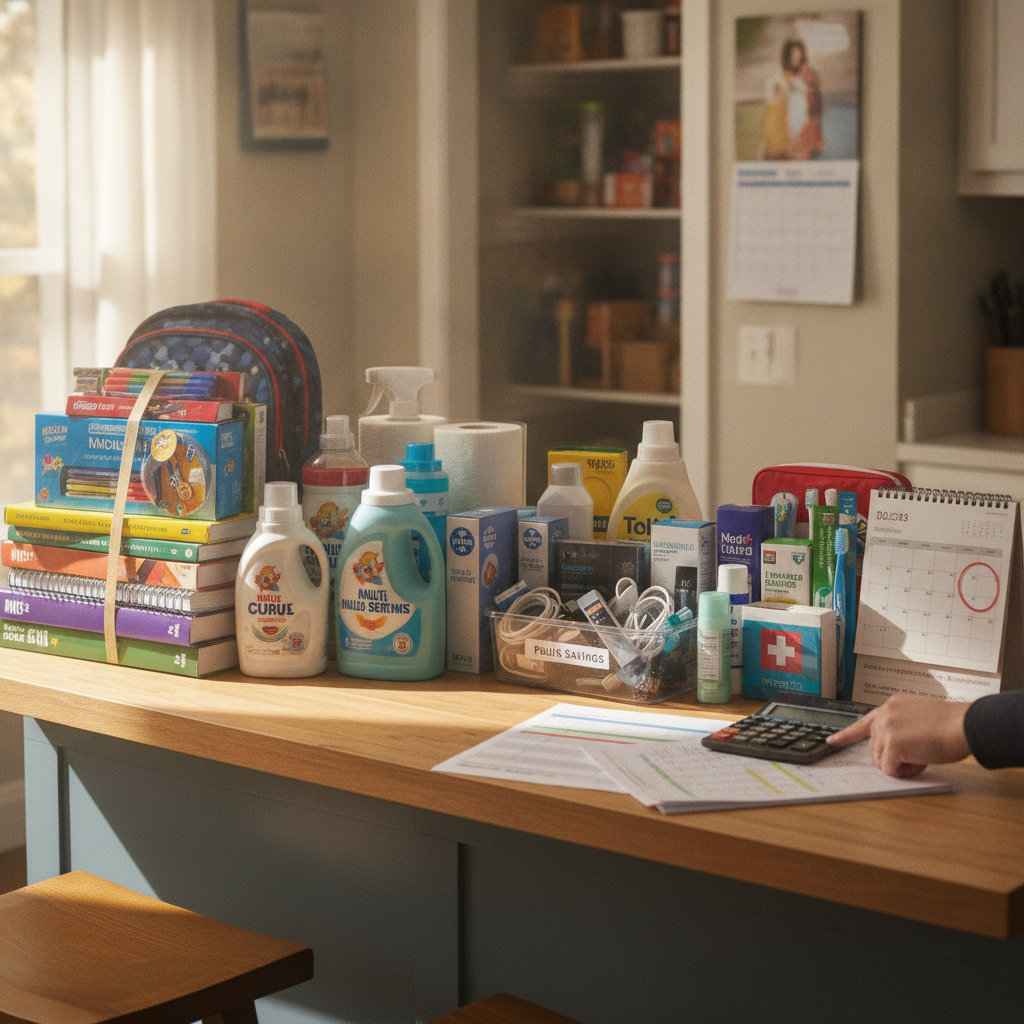
How Grouping Similar Product Categories Into a Single Annual Purchase Window Reveals Hidden Savings Across Your Full Household Budget
Replacing items one at a time as they fail is one of the most expensive default habits in household spending. Grouping similar product categories into a single annual purchase window gives you pricing leverage, cleaner comparisons, and a clear view of what each category actually costs you each year.
By Robert Kim | Oct 04, 2026

Why Calculating the True Annual Cost of a Product Category Before Setting a Per-Item Budget Reveals Spending Patterns That Monthly Tracking Alone Misses
Monthly budget tracking misses the patterns that only become visible when you calculate what an entire product category costs you over a full year. Here's how to reframe your spending approach from per-item limits to annual category ceilings.
By Robert Kim | Oct 01, 2026
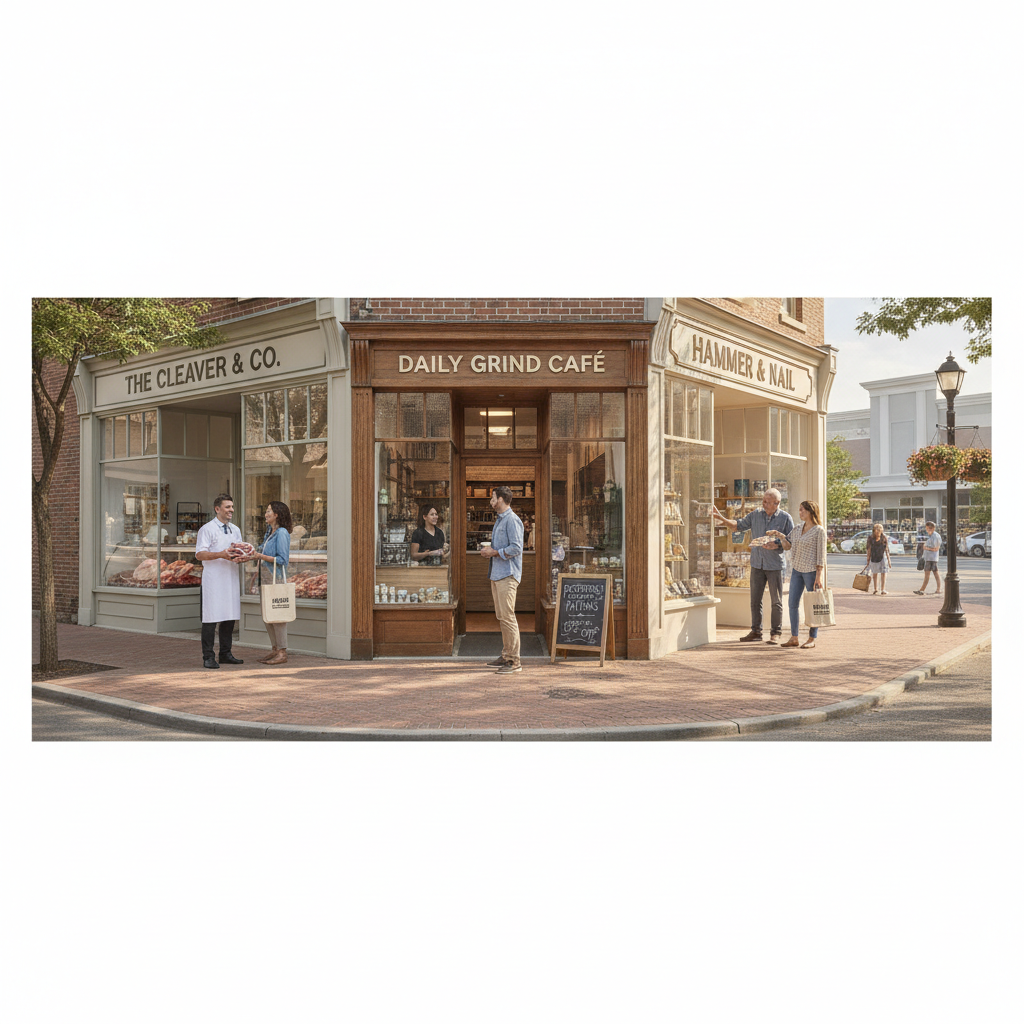
How Identifying Two or Three Anchor Local Businesses for Recurring Household Needs Builds Relationship Discounts and Service Priority That Chain Stores Cannot Match
Concentrating household spending at two or three trusted local businesses builds relationship-driven discounts and service priority that no chain store loyalty program can replicate. Here's how that strategy works and why it compounds over time.
By Jennifer Walsh | Sep 28, 2026

Why Benchmarking a Local Independent Retailer's Price on a Known Product Against Chain Store Pricing Before Dismissing It Changes Where You Choose to Spend Over Time
Most shoppers assume independent retailers are pricier than chains without ever making a single comparison. Benchmarking a known product's price before walking away reveals a very different reality — and quietly reshapes where spending lands over time.
By Jennifer Walsh | Sep 25, 2026

How Mapping Your Household's Actual Consumption Rate Before Restocking Perishables and Pantry Items Eliminates the Invisible Waste That Inflates Your Grocery Bill Each Month
Restocking before you actually run out is one of the most common — and invisible — sources of grocery waste. Mapping your household's real consumption rate changes how you shop and what you spend.
By Robert Kim | Sep 22, 2026

How Anchoring Your Gift Budget to a Per-Person Annual Ceiling Rather Than Per-Occasion Spending Prevents Seasonal Generosity From Quietly Derailing Monthly Finances
Per-occasion gift budgeting keeps cumulative spending invisible until it's too late. Anchoring to a per-person annual ceiling gives you full-year visibility and keeps seasonal generosity from quietly overwhelming your monthly finances.
By Marcus Chen | Sep 19, 2026

How Cross-Referencing a Product's Repair Availability and Parts Cost Before Purchase Protects You From Owning Something That Becomes Disposable the Moment It Breaks
Checking repair availability and parts pricing before you buy is one of the most effective ways to avoid owning a product that becomes worthless the moment it breaks. Here's how to build that filter into your shopping process.
By Robert Kim | Sep 16, 2026

How Reading the Actual Customer Review Curve Distribution Instead of Average Star Ratings Surfaces Hidden Quality Problems Before You Commit to a Purchase
The average star rating hides as much as it reveals. Reading the full review distribution curve instead exposes quality problems, inconsistency patterns, and warning signs before you spend.
By Robert Kim | Sep 11, 2026

How Separating Wants Into a Thirty-Day Cooling List Before Purchase Reveals Which Items Still Feel Worth Buying and Which Were Pure Situational Impulse
A thirty-day cooling list puts a buffer between wanting something and buying it — and what you discover at the end of that window reveals more about your spending habits than any budget spreadsheet can.
By Robert Kim | Sep 08, 2026

Why Evaluating Open-Box and Certified Refurbished Electronics Against Full Retail Pricing Reveals a Value Gap Most Buyers Ignore at Checkout
Open-box and certified refurbished electronics often carry the same core quality as new retail products at a meaningfully lower price — a value gap most buyers never stop to measure at checkout.
By Robert Kim | Sep 05, 2026

How Batching Online Orders Into Weekly Scheduled Windows Rather Than Buying on Demand Reduces Both Shipping Costs and Impulse Spending
Buying online on demand costs more than it should — in shipping fees and impulse purchases alike. Batching your orders into a single weekly window fixes both problems at once.
By Jennifer Walsh | Sep 02, 2026
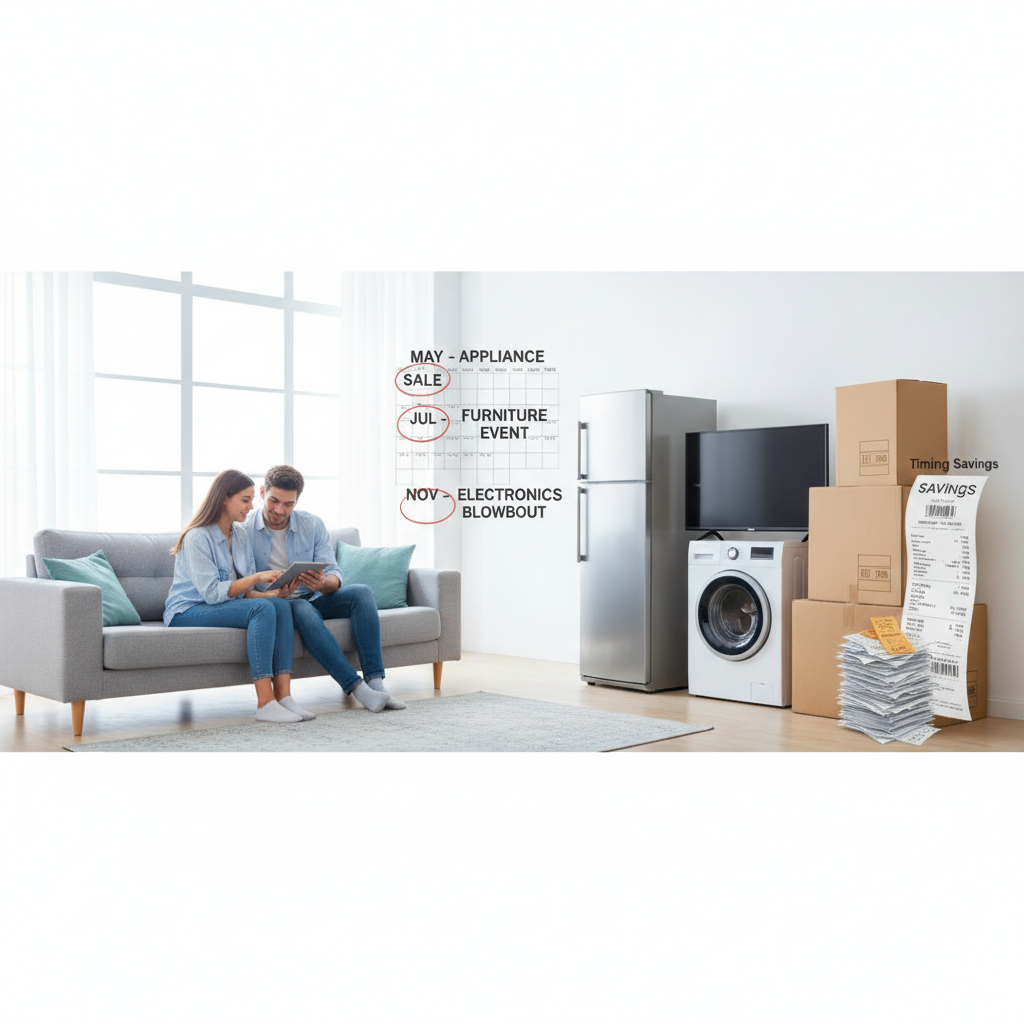
How Timing Large Household Purchases Around Predictable Regional Sale Cycles Rather Than Personal Impulse Saves More Than Any Coupon Strategy
Retail pricing follows predictable patterns that repeat every year, and shoppers who time large household purchases around regional sale cycles consistently save far more than any coupon strategy can offer.
By Jennifer Walsh | Aug 30, 2026

How Reading Product Specifications Against Your Actual Use Case Instead of Marketing Claims Prevents Overspending on Overcapable Gear
Marketing claims make every feature sound essential, but reading spec sheets against your actual use case — not your aspirational one — is what keeps you from overpaying for gear you'll never fully use.
By Jennifer Walsh | Aug 27, 2026

Why Shopping Local Independent Retailers for Seasonal Gifts Delivers Better Value Per Dollar Than Default Marketplace Convenience
Independent local retailers often deliver more per dollar during gift season than major online marketplaces — through tighter supply chains, curated selections, and personalized guidance that reduces costly returns.
By Jennifer Walsh | Aug 24, 2026

How Auditing Subscription Services Quarterly Against Actual Usage Frequency Recovers Hundreds of Dollars Most Households Don't Realize They're Losing
Most households are paying for subscriptions they barely use, and a quarterly audit against actual usage frequency is the most reliable way to recover that money before it quietly compounds.
By Jennifer Walsh | Aug 21, 2026

Why Buying Consumable Household Staples in Predictable Cycles Rather Than Reactively Reduces Your Annual Spend Without Bulk Warehousing
Reactive purchasing quietly inflates what households spend on everyday consumables. Shifting to predictable purchase cycles captures regular discount windows without requiring bulk storage or warehouse memberships.
By Jennifer Walsh | Aug 18, 2026

How Categorizing Local Service Businesses by Quality Tier Before You Need Them Saves You From Overpaying During an Emergency
Categorizing local service businesses by quality tier before you ever need them removes panic from the equation and keeps you from overpaying when something goes wrong at the worst possible moment.
By Michael Thompson | Aug 14, 2026

How Building a Pre-Purchase Research Checklist for Appliances and Electronics Prevents Buyer's Regret on High-Commitment Buys
A pre-purchase research checklist for appliances and electronics keeps excitement from outpacing logic, helping you avoid the costly regret that follows rushed high-commitment buys.
By Jennifer Walsh | Aug 11, 2026

How Tracking Your Cost-Per-Use on Clothing and Gear Purchases Shifts Buying Decisions Away From Price Tags Toward Actual Value
Cost-per-use is one of the most practical frameworks for smarter buying decisions on clothing and gear. Learn how to calculate it, track it, and let it guide you toward purchases that actually earn their keep.
By Jennifer Walsh | Aug 08, 2026

How Evaluating Return Policies and Warranty Terms Before Checkout Protects You From Expensive Regret on Mid-Range Purchases
Checking return policies and warranty terms before checkout is one of the most practical ways to protect yourself on mid-range purchases — and most shoppers skip it entirely.
By Jennifer Walsh | Aug 05, 2026

How Assigning Every Purchase Category a Fixed Monthly Ceiling Stops Lifestyle Creep From Quietly Inflating Your Annual Spending
Lifestyle creep rarely happens all at once — it builds through small, repeated decisions across dozens of spending categories. Assigning a fixed monthly ceiling to each category gives that drift nowhere to go.
By Robert Kim | Aug 02, 2026
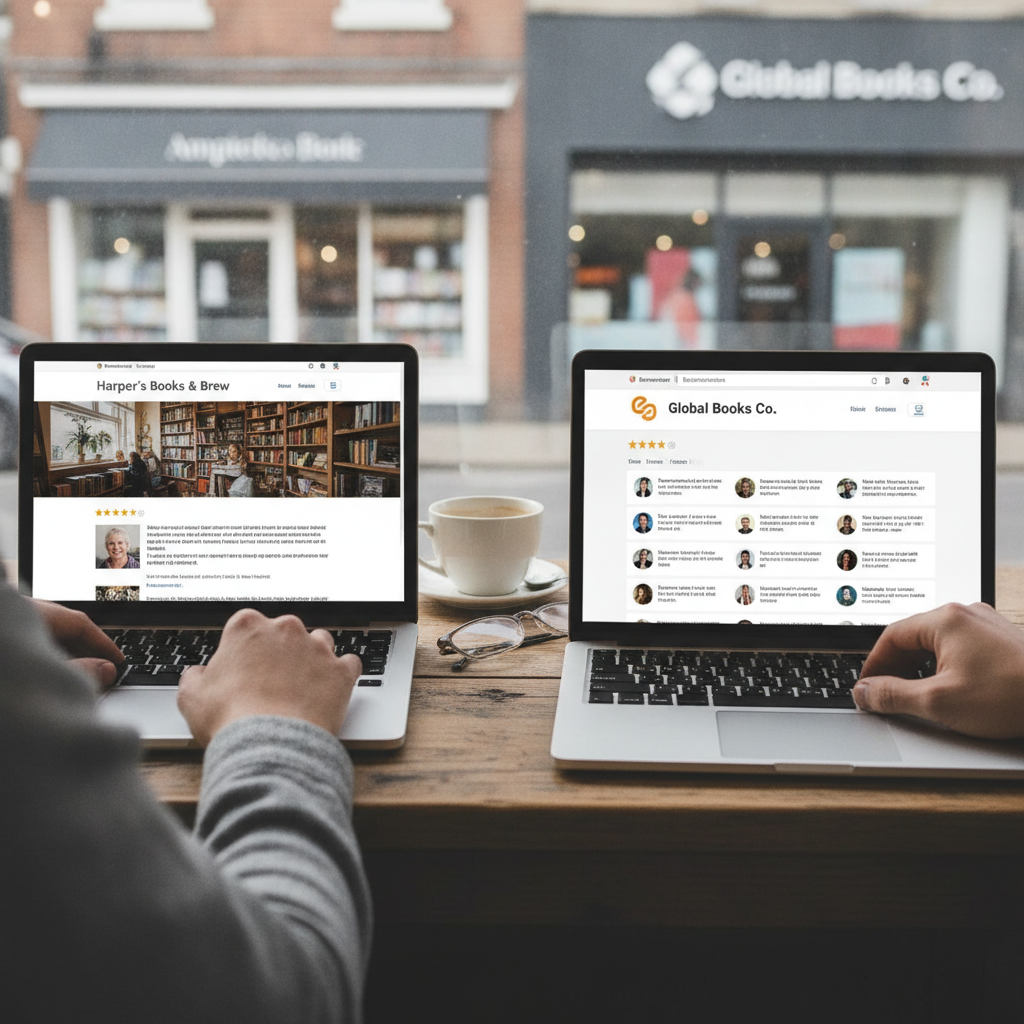
How Reading Independent Local Shop Reviews Differently From Chain Store Reviews Helps You Spot Genuine Quality Before You Buy
Reading reviews for independent local shops requires a different lens than chain store reviews — star ratings, reviewer context, and owner responses all carry different weight when the business is small.
By Jennifer Walsh | Jul 30, 2026

How Mapping Your Errands Around a Single Weekly Anchor Store Reduces Spending Compared to Frequent Multi-Stop Shopping Trips
Structuring your weekly errands around a single anchor store reduces impulse purchases, consolidates loyalty rewards, and keeps your budget predictable. Here's how to make the approach work practically.
By Jennifer Walsh | Jul 27, 2026

How Building a Tiered Wishlist System Stops Impulse Purchases From Inflating Your Monthly Spending
A tiered wishlist system creates deliberate pauses between wanting something and buying it, helping you cut impulse purchases without giving up the things you actually care about.
By Marcus Chen | Jul 24, 2026

How Comparing Unit Pricing Instead of Shelf Pricing Across Grocery Formats Reveals Where You Are Actually Overpaying
Shelf prices tell you what something costs. Unit prices tell you what you're actually paying. Learn how comparing unit pricing across grocery formats exposes where your grocery budget is quietly leaking.
By Jennifer Walsh | Jul 19, 2026
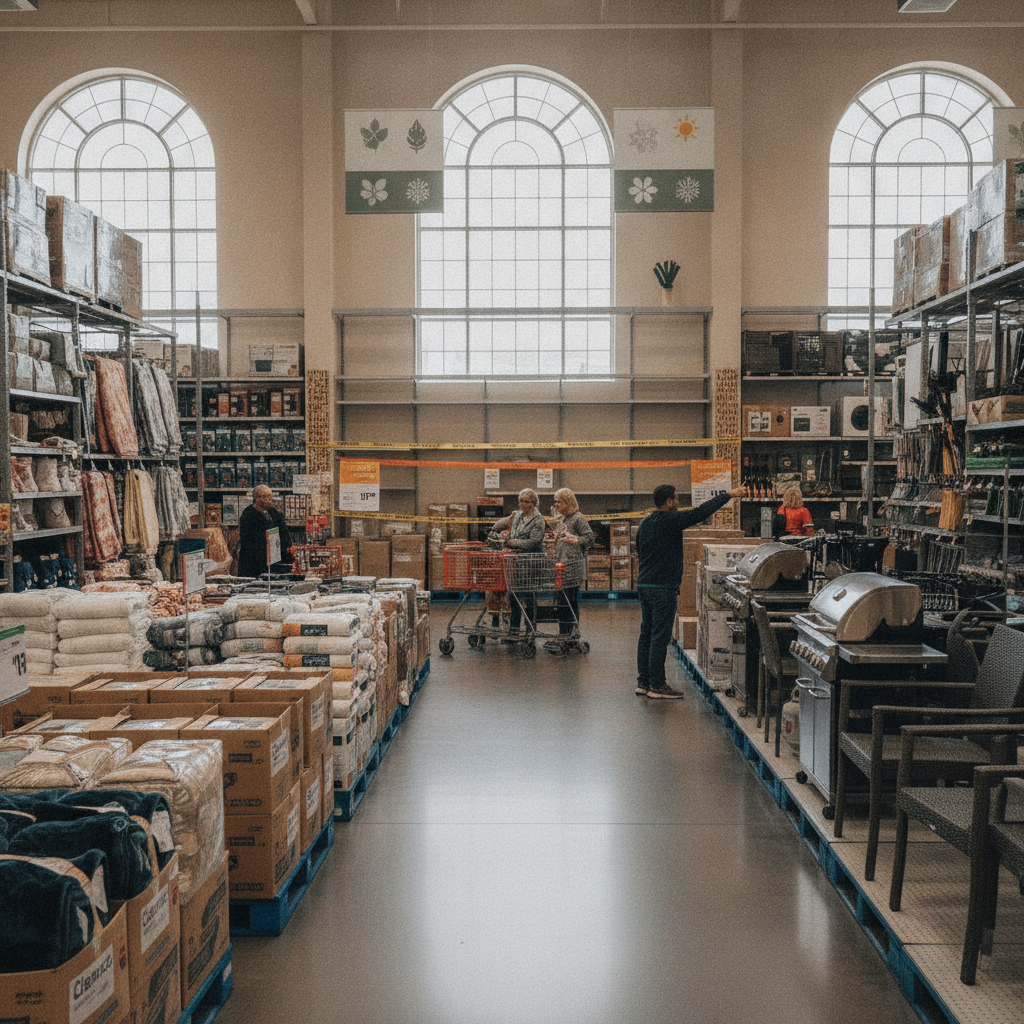
How Seasonal Transition Windows Create the Best Opportunities to Stock Up on Home Goods at Genuine Discounts
Seasonal transition windows — when retailers clear one inventory cycle to make room for the next — create some of the most reliable discount opportunities for home goods all year. Learning to anticipate these windows and shop with a plan ahead of them can mean paying significantly less for items you were going to buy anyway.
By Jennifer Walsh | Jul 16, 2026

How to Use Price History Tools and Alert Systems to Buy at the Right Moment Instead of the Convenient One
Price history tools and alert systems let you buy at genuinely favorable moments rather than just convenient ones. Here's how to set up a practical system that works passively in the background.
By Robert Kim | Jul 13, 2026

Which Study Tools and Supplies Are Actually Worth Buying Versus What You Can Skip
Not every study tool marketed as essential actually earns its place. This guide breaks down which supplies and apps are genuinely worth buying and which ones are easy to skip without sacrificing results.
By Jennifer Walsh | Jul 10, 2026

How to Evaluate Online Course Platforms Before Spending Money on a Subscription
Online course platforms vary widely in quality, pricing, and policies. Here's how to evaluate them carefully before committing your money to a subscription.
By Jennifer Walsh | Jul 07, 2026

Discovering British Elegance in Fashion and Antiques
By Julian Styles | Mar 11, 2026

Italian Craftsmanship and its Timeless Elegance in Leather and Designer Goods
By Ethan Sawyer | Mar 04, 2026

India's Vibrant Markets A Tapestry of Textiles and Spices
By Aiden Reese | Feb 09, 2026

The Allure of Parisian Elegance Exploring Chic Boutiques and Haute Couture
By Ruby Singh | Nov 11, 2024

Discovering Retail Gems in New York City Without Breaking the Bank
By Aubrey Cole | Nov 11, 2024

Brazilian Flair Shopping Adventures in Rio de Janeiro
By Ethan Sawyer | Nov 11, 2024

Navigating China's Shopping Renaissance from Silk Streets to Smart Malls
By Scarlett Brooks | Nov 11, 2024

Dubai's Luxurious Shopping Experience Takes Retail to a New Level
By Owen Clarke | Nov 11, 2024

Tokyo's Trendsetting Districts Where Fashion and Technology Collide
By Logan Webb | Nov 11, 2024