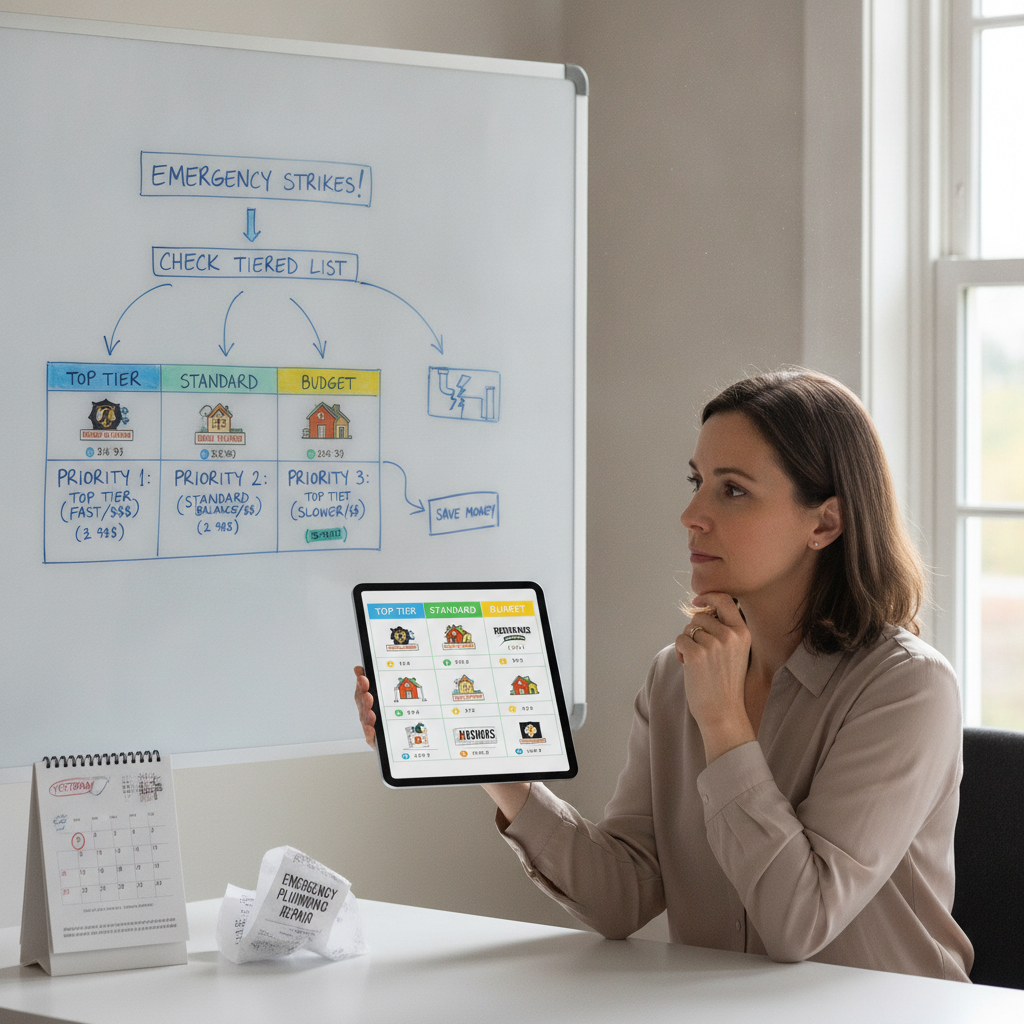
Panic is expensive. When a pipe bursts at 11 PM or your furnace quits on the coldest night of the year, you're not shopping — you're grabbing. You call whoever shows up first in a Google search, agree to a price that sounds vaguely reasonable, and hope for the best. The result is almost always overpaying, sometimes significantly, for work that a better-prepared version of you would have handled more strategically.
The fix isn't complicated, but it does require a little upfront thinking. Categorizing local service businesses by quality tier before you ever need them is one of the most practical financial habits a homeowner or renter can build. It turns a reactive, stressful process into a calm, informed one — and it saves real money over time.
Build a Simple Tier System Before Any Crisis Hits
Start by defining what you actually mean by quality. A useful tier system doesn't need to be elaborate — three levels works well. Your top tier holds businesses you'd trust without hesitation and are comfortable paying a premium for. The middle tier covers solid, reliable options that balance quality and cost. The bottom tier isn't necessarily bad; it's where you place newer or less-vetted businesses you'd use for lower-stakes jobs while you gather more information. Writing this down, even in a simple note on your phone, makes the whole system real and usable.
Separate Emergency Services From Everyday Services
Not all local service categories carry the same risk if you hire the wrong one. Electrical work, plumbing, HVAC repair, and structural issues fall into the emergency category — jobs where cutting corners can cost you far more than you saved. Lawn care, house cleaning, and minor handyman work sit in a lower-stakes category where experimenting with a newer provider is far less risky. When you organize your mental list this way, you know exactly which tier to pull from when something goes wrong at an inconvenient hour. Keeping your emergency-category top-tier picks well-documented is where the real financial protection lives.
Use Local Review Platforms to Inform Your Tiers, Not Decide Them
Platforms like Yelp, Angi, and Nextdoor are useful starting points, but they shouldn't be the final word on which tier a business lands in. Reviews tell you how a company treats average customers in average circumstances. What you're trying to predict is how they'll treat you in a stressful, time-sensitive situation. Look for patterns in the reviews — consistent mentions of transparent pricing, prompt communication, and clean workmanship matter more than a high star average with few reviews. Cross-reference what you find on one platform against another before assigning any business to your top tier.
Ask Neighbors to Fill In the Gaps Your Research Can't
Online reviews miss a lot. A longtime neighbor in a Chicago neighborhood like Lincoln Square or a tight-knit suburb is often sitting on years of firsthand experience with local contractors, cleaners, and repair shops. That knowledge is free and far more specific than anything an algorithm surfaces. Ask casually — most people are happy to share who they trust and who they'd avoid. A few of those conversations can populate your top tier faster and more reliably than hours of solo research, and the recommendations tend to hold up because they're based on real relationships with real accountability.
Vet Pricing Structures While You Still Have Options
One of the biggest financial advantages of building your tier list in advance is that you can ask about pricing before any urgency exists. Call a plumbing company on a Tuesday afternoon and ask how they structure emergency service fees. Ask an HVAC company whether they charge differently for after-hours calls. This kind of low-pressure inquiry gives you a clear picture of what you'll actually pay when something goes wrong, and it lets you compare business models across your shortlist without any stress clouding your judgment. Businesses that are transparent and specific during this kind of call are almost always worth moving up a tier.
Revisit and Update Your List at Least Once a Year
A tier list built two years ago and never touched is less useful than it sounds. Businesses change ownership, staff turnover affects quality, and pricing structures shift. Set a calendar reminder once a year — tying it to something seasonal, like the start of spring when you're already thinking about home maintenance, helps it stick. A quick pass through your list to confirm contact info is current, check for any new reviews worth noting, and update any businesses whose circumstances have visibly changed keeps your system accurate when it matters most.
Factor in Availability, Not Just Quality
A top-tier business that can't get to you for four days during an emergency isn't functioning as a top-tier resource in that moment. When you're building your list, include at least two options at the top tier for each critical service category. Contractors who serve smaller areas, like a locally focused electrician in a specific zip code, sometimes offer faster response times than larger regional companies, even if the larger company has stronger name recognition. Redundancy in your top tier is what makes the system reliable rather than theoretical.
Keep the List Where You'll Actually Use It
A tier list buried in an old email or scribbled in a notebook you can't find defeats the purpose entirely. Store it somewhere genuinely accessible — a pinned note in your phone's notes app, a shared document with a partner or spouse, or even a laminated sheet in a household binder. Apps like Google Keep or Notion work well for this. The format matters less than the accessibility. During an actual emergency, you want to spend two seconds finding your list, not ten minutes digging through your digital clutter.
Preparing your tier list before anything goes wrong is one of the clearest examples of spending a little time now to save real money later. The businesses you trust most are identified calmly, your pricing expectations are set in advance, and when something breaks or fails, you're making a confident call to someone already vetted rather than a panicked call to whoever's available. That shift — from reactive to prepared — is where the financial benefit actually lives.