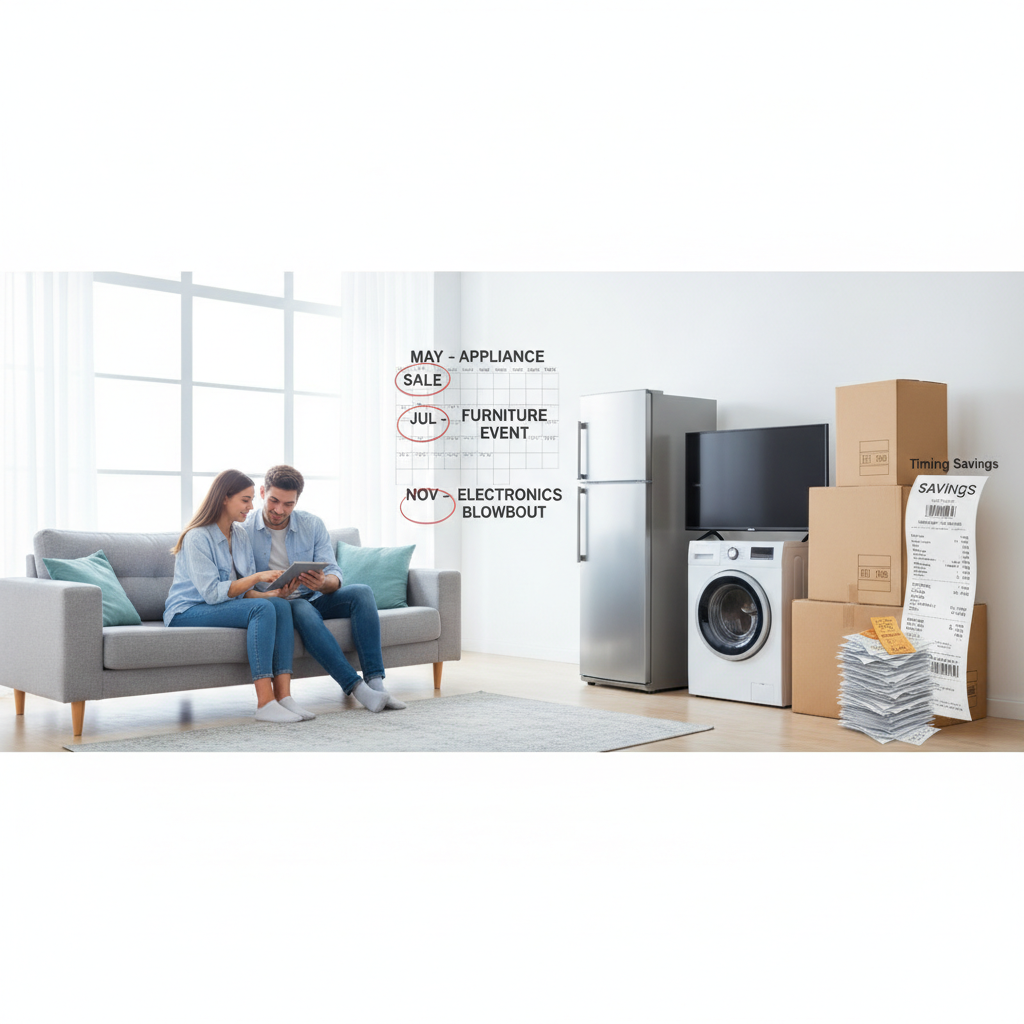
Retail pricing is not random — it follows patterns that repeat year after year, and shoppers who understand those patterns consistently outspend those who rely on coupons alone. The difference between buying a refrigerator the week it breaks and buying one during a well-timed regional clearance event can be substantial, often representing the kind of savings that no discount code at checkout could match. Patience, in this context, is not passive. It's a strategy.
Why Impulse Timing Is the Costliest Shopping Habit
Most large household purchases happen in response to need rather than opportunity. A washing machine fails, and within the weekend, a replacement is purchased — often at full retail price, with urgency overriding any research. This reactive pattern is understandable, but it's consistently the most expensive way to buy. Retailers set their highest price points during periods of peak demand, and a shopper in immediate need has no leverage. Understanding this dynamic is the first step toward breaking a habit that costs households meaningful money year after year.
How Regional Sale Cycles Work and Why They're Predictable
Large appliance and furniture retailers operate on seasonal inventory cycles that are closely tied to manufacturer model releases, regional weather patterns, and national retail holidays. When new refrigerator models arrive in late spring, last year's floor models get discounted — often deeply. Similarly, mattress retailers across the country run coordinated promotional events around Memorial Day and Labor Day, and these aren't arbitrary. They're inventory-driven clearances that happen reliably enough to plan around. Retailers like Best Buy and Costco have well-documented seasonal pricing patterns that savvy shoppers track across consecutive years.
The Difference Between National Sale Events and Regional Pricing Windows
National events like Black Friday get enormous attention, but regional pricing windows often deliver better value with less competition. A furniture market in the Southeast might clear showroom inventory every February ahead of spring staging season. In the Pacific Northwest, appliance retailers frequently run regional promotions tied to home improvement season in March and April. These windows are less advertised precisely because they're driven by local inventory pressure rather than national marketing campaigns. Apps like Camelcamelcamel track online price histories, but regional floor pricing requires a different approach — direct observation over time and relationships with local sales staff.
Building a Household Purchase Calendar Before the Need Arises
The households that spend least on major items tend to have one thing in common: they anticipate needs before those needs become urgent. A water heater that's twelve years old isn't a surprise failure waiting to happen — it's a planned replacement that belongs on a purchase calendar. By identifying which appliances and furniture pieces are aging, and mapping those anticipated replacements to known regional sale windows, shoppers can take full advantage of timing without pressure. This approach requires a simple annual audit of major household items and rough estimates of remaining useful life, which takes less than an hour to complete.
Why Coupons Rarely Beat Strategic Timing
Coupon culture has its place, particularly for consumables and grocery staples. But for large-ticket items — ranges, sofas, dishwashers, HVAC systems — the savings available through strategic timing dwarf anything a coupon code typically offers. A retailer running a genuine end-of-season clearance may be pricing items at margins that no coupon is designed to reach. The structural reason is simple: coupons are marketing tools designed to bring shoppers in while protecting core margins. Clearance pricing, by contrast, reflects a genuine need to move inventory, which aligns the retailer's interest with the buyer's. That alignment is where real savings live.
How to Start Applying This Approach to Your Own Buying Decisions
The shift from reactive to strategic purchasing doesn't require complicated spreadsheets or obsessive deal-tracking. Start by making a short list of the five or six largest household items you expect to replace or upgrade within the next three years. For each one, spend twenty minutes researching when prices have historically been lowest — appliance forums, Reddit communities like r/frugal, and manufacturer release calendars are all useful starting points. Then set a calendar reminder three to four months before those windows arrive so you can begin watching prices. If a purchase can realistically wait six to eight months, waiting is almost always the right call. The only exception is a true emergency, and even then, knowing your regional patterns means you can identify the least-bad moment rather than buying blindly.
As retailers increasingly use dynamic pricing algorithms to adjust prices in near real-time, the advantage of understanding sale cycles will only grow. Shoppers who track patterns — even informally — will have a structural edge over those who respond to marketing alone. Regional pricing intelligence, shared across local communities and neighborhood groups, is becoming a more visible tool, and platforms that aggregate this kind of local deal data are gaining traction. The core principle remains unchanged: in large-purchase shopping, timing is the variable that matters most, and it's also the variable most within a shopper's control.