Most clothing purchases feel final the moment the tag is cut, but the real decision was made long before that — in the few seconds spent glancing at a price tag rather than reading the label. Mid-range clothing occupies a confusing middle ground for shoppers. It costs enough to feel like a responsible choice over fast fashion, yet often uses the same synthetic blends and weak construction that guarantee a short lifespan. The result is a quiet, repeating cycle of replacement spending that compounds over a year without ever feeling like a pattern.
The Gap Between Price and Actual Quality
Price is not a reliable proxy for durability in the mid-range clothing segment. Brands like H&M's premium lines, Banana Republic, and even some J.Crew offerings have all drawn criticism for declining fabric quality despite holding steady price points. A garment priced at forty-five dollars that lasts one season costs far more per wear than an eighty-dollar piece that holds up for three years. Understanding this distinction is the foundation of smarter apparel spending — and it starts with learning to read a clothing label the way a contractor reads a blueprint.
What Fabric Composition Actually Tells You
The fiber content label is one of the most ignored details in retail clothing, yet it communicates almost everything about how a garment will age. Natural fibers like cotton, wool, and linen generally breathe, hold shape longer, and respond well to washing when the weave is tight and the weight is appropriate for the use. Synthetic blends — particularly high percentages of polyester or viscose — tend to pill, lose shape, or develop sheen after repeated washing. A fabric that is eighty percent polyester labeled as a "premium blend" is still primarily plastic. Knowing the difference takes thirty seconds and saves real money over time.
Construction Clues Most Shoppers Walk Past
Beyond fiber content, the physical construction of a garment reveals how long it was designed to last. Seam allowance — the amount of fabric folded inside a sewn seam — is a telling indicator. Narrow seams fray quickly and can't be altered if a fit issue develops. Checking stitching density matters too: tightly spaced stitches hold under stress, while loose ones unravel at the first sign of tension. Reinforced stress points at pockets, buttons, and cuffs add meaningful longevity. Brands like Everlane have built their identity partly around making these construction details visible to shoppers, which reflects how much the details actually matter.
How Repeat Purchases Accumulate Into Invisible Overspending
The repeat buying cycle is subtle because no single replacement purchase feels significant. A worn-out pair of trousers gets swapped out. A stretched knit sweater gets donated. A blouse that pilled after four washes gets quietly retired. Each transaction feels modest, but apparel categories that turn over two or three times per year effectively double or triple their real cost. Shoppers who track their cost-per-wear on clothing often discover that the items they thought were budget-friendly were actually their most expensive purchases when measured against how briefly they were worn.
Practical Steps You Can Take Before the Register
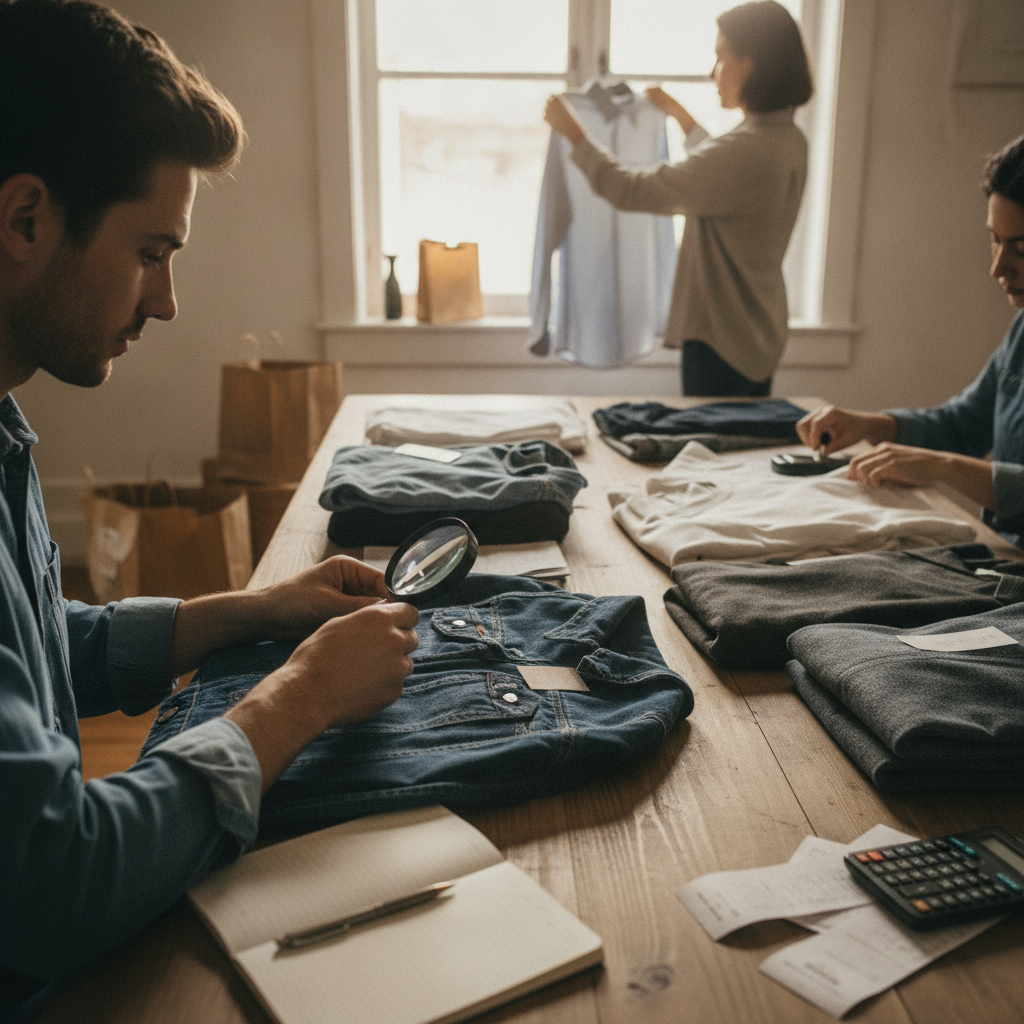
You don't need a fashion background to audit a garment before buying it. Start by pulling the fabric gently between two fingers — quality materials resist deformation and snap back. Check inside seams for fraying at the edges and look for a seam allowance of at least half an inch. Turn the item inside out and inspect the stitching along stress points. Hold knitwear up to light and look for uneven loops or thin spots that suggest poor construction. Read the care label: a garment that requires dry cleaning for every wash is an ongoing hidden cost worth factoring into its real price. Spending three minutes on these checks at a store like Nordstrom Rack or a local consignment shop changes the quality of what comes home.
Where Mid-Range Clothing Is Headed
The apparel industry is under real pressure to be more transparent about materials and production standards. Certification programs like OEKO-TEX and initiatives around fiber traceability are becoming more visible to mainstream shoppers, not just sustainability advocates. As resale markets mature and cost-per-wear thinking spreads through consumer culture, mid-range brands will face increasing pressure to justify their price points with genuine construction quality rather than marketing aesthetics. Shoppers who build the habit of auditing clothing before purchase now are positioning themselves ahead of a retail environment that is slowly, steadily making quality information easier to find and harder to ignore.
The repeat buying cycle isn't inevitable — it's a product of decisions made in haste at the point of purchase. Slowing down long enough to examine what a garment is actually made of, how it's sewn, and how it will hold up under real use is one of the most straightforward ways to reduce annual apparel spending without sacrificing a wardrobe that works.