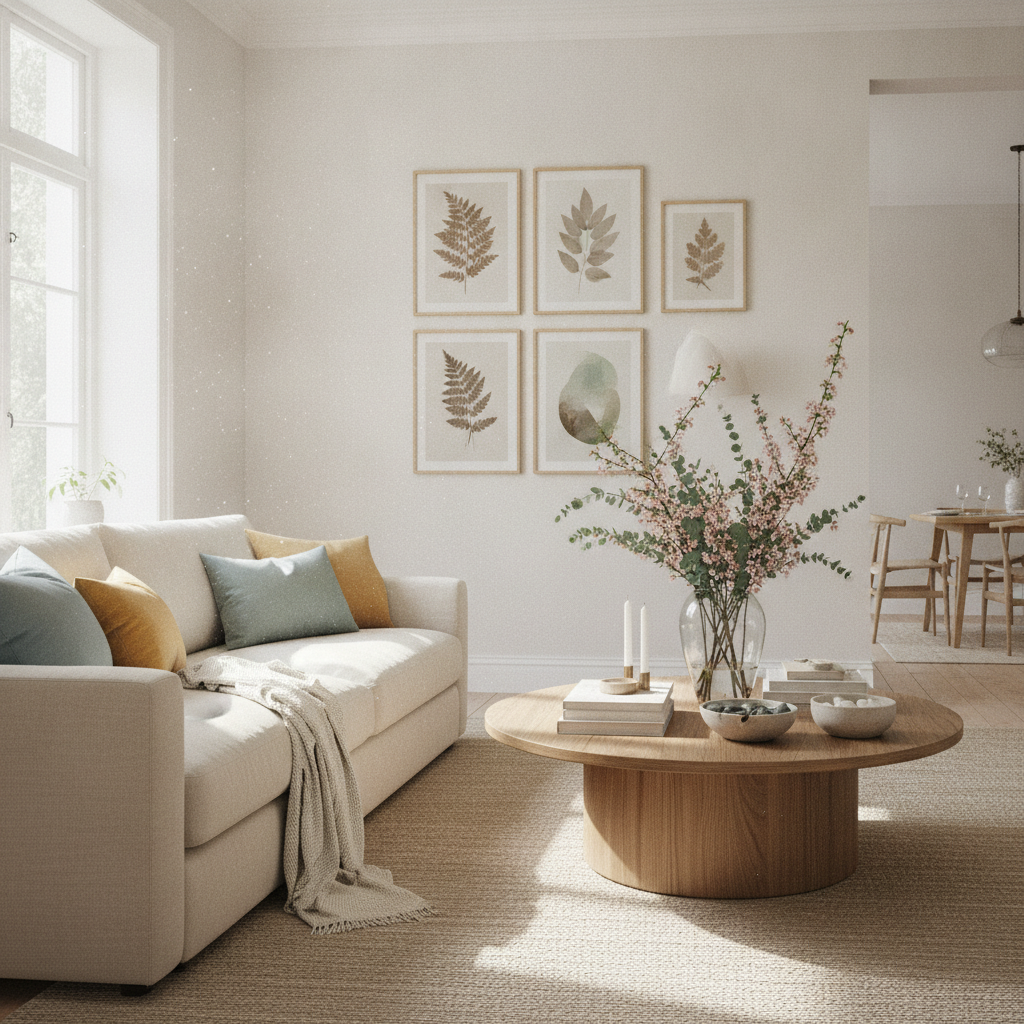
Small, intentional changes to a living space can shift the entire feeling of a room without touching a single wall or spending a fraction of what a renovation costs. Most people assume that a home feeling stale or heavy is a sign they need new furniture, new flooring, or at minimum a full weekend of effort. In reality, the way a space feels is driven far more by a handful of sensory and visual anchors than by its overall contents. Targeting just three focal areas — and refreshing them with the season in mind — is one of the most efficient ways to reset how a home feels.
What Makes a Focal Area Worth Focusing On?
A focal area is any spot in a room that the eye naturally lands on first when entering or settling in. These tend to be surfaces at eye level or slightly below, the zones around seating, and anywhere light sources draw attention — a fireplace wall, a coffee table, a window ledge, a reading corner. They're not arbitrary; they're the parts of a room that shape a visitor's first impression and your own daily experience of the space. Refreshing these spots, rather than attempting to overhaul the whole room, gives you the highest return for the least effort and cost.
How Does Layering Texture Change a Room's Seasonal Mood?
Texture is one of the fastest ways to shift how warm or airy a space feels without changing any furniture. In cooler months, swapping out a flat cotton throw for a chunky knit or a faux sherpa version instantly signals comfort and weight to the senses. In warmer seasons, lighter linens, woven seagrass baskets, or simple cotton slipcovers do the opposite — they make a room breathe. Pinterest and Houzz are both genuinely useful here, not just for inspiration but for understanding which textures are reading as current and which combinations are holding up across multiple seasons. The point isn't to chase trends but to use them as a reference for what's available and affordable right now.
When you apply this thinking to your first focal area — say, the sofa or primary seating — you're not replacing anything. You're layering. A new pillow cover in a seasonal fabric, a different throw folded over the arm, and a small tray or basket on the adjacent side table can collectively transform a seating area in under an hour. These items are also easy to store flat, which means the investment carries across multiple years.
Why Does Scent Belong in Your Refresh Strategy?
Scent is consistently underestimated as a design tool, but it's one of the most immediate ways a space communicates its season. Walking into a room that smells like cedar and dried citrus in fall feels completely different from the same room smelling like clean linen in summer. This isn't subjective — scent shapes perception of temperature, cleanliness, and even spaciousness. Targeting your second focal area, often the entry zone or the main living area surface, with a seasonal scent element pays disproportionate dividends for how lived-in and intentional a home feels.
Practical options here include soy candles, reed diffusers, or dried botanical arrangements. Brands like Mrs. Meyer's and Paddywax both produce reliable seasonal lines that rotate annually, and you can often find them at Target or through smaller local home goods shops at reasonable price points. The key is consistency — picking one dominant scent per season and anchoring it to a specific, visible surface rather than scattering multiple competing fragrances throughout the space.
How Can Lighting Be Adjusted Without Rewiring Anything?
Lighting is the third focal area, and it's the one most people overlook in favor of decor. The color temperature of the light in a room — whether it reads warm amber or cool white — shapes the entire emotional register of the space. In autumn and winter, warmer bulbs and lower-placed light sources like table lamps and floor lamps make a room feel cocooned and restful. In spring and summer, allowing more natural light in and shifting to brighter, cooler tones creates an open, energized feeling.
Simple Philips Hue bulbs or even standard warm-tone LED swaps in existing lamps can make this seasonal shift without any new fixtures. If you're not ready to invest in smart bulbs, a simple strategy is to add or remove a lampshade, reposition a floor lamp closer to seating, or introduce a small string of warm Edison-style lights around a focal window during colder months. These adjustments cost very little but change the room's evening atmosphere significantly.
What's the Simplest Way to Plan a Seasonal Refresh Without Overcomplicating It?
The easiest approach is to treat each season as a short planning window — roughly two to three weeks before the season shifts — rather than reacting once you're already deep into it. Pull out what you used the previous year, assess what wore out or no longer fits the space, and replace only what's needed. Apps like Notion or a simple Google Keep list work well for tracking what you own by season so you're not buying duplicates or forgetting what's in storage.
The three-focal-area method keeps the process from sprawling into a full room overhaul. You're not reinventing anything — you're refreshing the specific spots that carry the most visual and sensory weight. Over a few seasonal cycles, you'll build up a small, curated collection of interchangeable elements that let you rotate the feeling of your home without accumulating clutter or debt.
A seasonal home refresh doesn't require a large budget or a free weekend. It requires knowing where to look, what to change, and when to do it. Starting with just one focal area this season is enough to feel the difference — and once you do, the approach tends to stick.